
Workers' compensation lawyers are legal professionals who assist people who have been injured or become ill due to work-related activities. They focus on administrative benefit systems rather than general civil tort suits in many jurisdictions, helping claimants understand applicable procedures, deadlines, and documentation requirements. Their role commonly includes reviewing medical records, advising on benefit eligibility, and explaining how statutory schedules and disability assessments may apply to a particular case.
These lawyers often act as intermediaries between the injured worker, health care providers, employers, and insurers. They may analyze claim denials, prepare or review written submissions, and represent clients at administrative interviews or hearings. Because procedures and benefit types vary by jurisdiction, legal support typically aims to align medical evidence, employment history, and statutory criteria to a claimant’s situation in a structured, procedural format.

Documentation and evidence organization are central tasks that may determine how a claim progresses. Lawyers often identify which medical reports, incident records, and wage statements are most relevant and may coordinate with treating clinicians to obtain objective findings. Chain-of-custody for records, dates of treatment, and contemporaneous incident reports frequently play an important role in establishing causal links between work duties and injuries. Clear, chronological documentation can often make procedural reviews more efficient.
Benefit types and coverage criteria are typically defined by statute or regulation and may include medical treatment coverage, temporary disability, permanent impairment ratings, and vocational rehabilitation supports. Lawyers commonly analyze how medical findings map to statutory impairment schedules and what types of benefits could be available in a given case. Timelines for benefit delivery and the need for supplemental evidence such as functional capacity evaluations often vary by jurisdiction and case complexity.
Communication with insurers usually follows predictable administrative channels, including formal written notices, recorded statements, and status updates. Legal representatives may prepare correspondence that cites applicable regulations and summarises key medical evidence. In many systems, early exchanges resolve straightforward claims without formal hearings; however, when insurers deny coverage or limit benefits, a structured dispute process typically becomes necessary. Lawyers can outline likely procedural steps and typical timelines that claimants may expect.
Dispute resolution in workers' compensation matters can include informal conferences, mediation, administrative hearings, and appeals to higher administrative or judicial bodies. Lawyers often prepare hearing exhibits, draft legal arguments focused on statutory interpretation or evidentiary weight, and present testimony or cross-examine medical witnesses. The choice among resolution methods may be influenced by the strength of medical documentation, the employer’s insurance position, and the claimant’s objectives regarding ongoing treatment or vocational services.
Overall, legal support for workplace injury claims tends to concentrate on aligning medical records, employment facts, and statutory criteria within administrative procedures. A lawyer’s involvement may clarify complex rules, coordinate evidence collection, and represent a claimant during contested proceedings. The next sections examine practical components and considerations in more detail.

Detailed documentation often shapes how a workers' compensation claim is evaluated. Lawyers typically review initial incident reports, employer records of hours worked, and contemporaneous witness statements to identify gaps or inconsistencies. They may request specific medical records, diagnostic imaging, and treatment notes that speak to causation and prognosis. Where permitted, counsel can arrange for vocational or functional assessments to quantify work limitations. These activities aim to assemble a clear, admissible evidentiary record appropriate for administrative adjudication.
Medical evidence is frequently the most scrutinized element of a claim. Attorneys may focus on obtaining objective findings—such as imaging or standardized test results—that corroborate subjective complaints, while also documenting treatment histories and responses to care. When specialists provide opinions about work-related causation or impairment, counsel often ensure those opinions are recorded in formats that conform to procedural rules. Where gaps exist, practitioners may identify targeted follow-up evaluations to strengthen causal narratives.
Timeliness and preservation of records can be practical considerations that affect outcomes. Claimants normally face specific filing deadlines and requirements for serving employers or insurers with notices and medical information. Lawyers often track these time limits and may advise about interim steps such as filing a claim notice or requesting an authorization for medical care. Preserving original documents and maintaining clear chains of custody for records are typical practices to reduce disputes about authenticity.
Privacy and authorization issues also arise when collecting evidence. Counsel typically secures necessary releases to obtain protected health information from treating providers, and they may guide clients about what types of records are pertinent. In many systems, submission formats and redaction rules are regulated; legal representatives often follow procedural checklists to ensure evidence complies with administrative requirements and admissibility standards, which can streamline review during hearings.
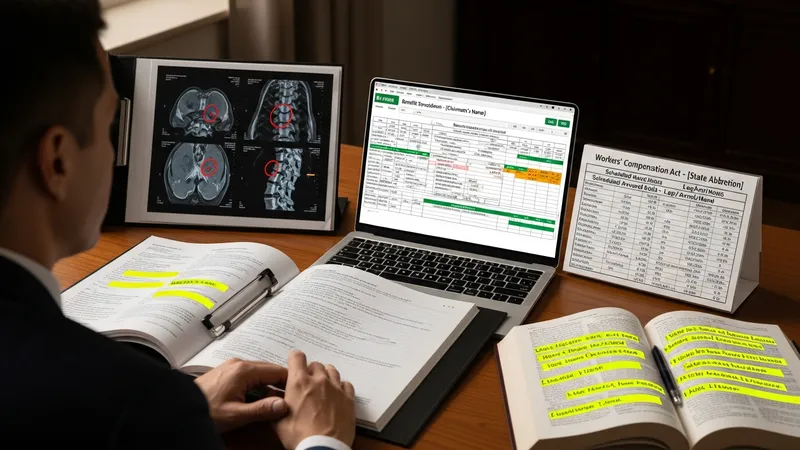
Understanding the statutory framework for benefits is a primary legal task. Lawyers often map a claimant’s medical condition to statutory eligibility criteria for medical treatment, temporary disability, permanent impairment, and vocational services. They typically explain how benefit formulas or scheduled awards are calculated under applicable regulations and identify what documentation supports specific benefit categories. Because statutory language and interpretations can differ across jurisdictions, practitioners frequently reference administrative rules and precedent decisions to clarify entitlement.
Initial benefits flow can vary: some systems authorize immediate medical care while other benefits like indemnity payments may require administrative acceptance of a claim. Lawyers often help claimants navigate preliminary forms and deadlines that may trigger benefit eligibility. Where medical treatment is urgent, counsel may advise on procedures for obtaining authorized care or seeking temporary approvals, noting that processes and timelines can typically vary by location and insurer practices.
Vocational rehabilitation and return-to-work programs are common components of benefit packages in many jurisdictions. Attorneys may coordinate with vocational counselors to assess transferable skills and labor-market reentry options, and they may review proposed return-to-work plans for reasonableness. When permanent restrictions are present, legal representatives often analyze whether available vocational services align with regulatory objectives and what types of evidence will support requests for retraining or extended support.
Administrative boards or commissions sometimes publish guidance or precedent that clarifies benefit interpretations. Lawyers commonly use such sources to frame arguments about entitlement or to estimate likely timelines for resolution. While outcomes cannot be guaranteed, referencing authoritative decisions and procedural rules typically provides a clearer basis for evaluating likely processes and documenting eligibility for specified benefits.
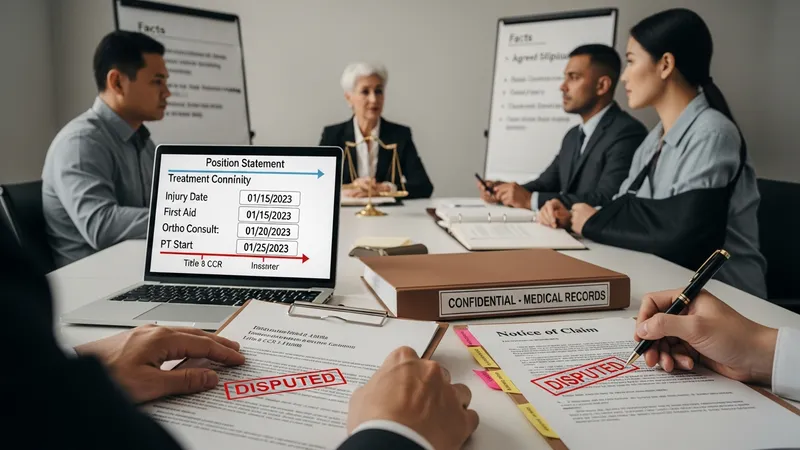
Interactions with insurers typically follow a structured pattern of notices, requests for medical records, and formal responses to claims. Lawyers often draft correspondence that cites regulatory provisions and summarizes supporting medical and employment evidence. This structured communication may help avoid misunderstandings about the scope of requested benefits or the current status of medical treatment. Where disputes arise, counsel usually document communications carefully to preserve a clear record for any subsequent administrative review.
Informal dispute resolution methods such as conferences or mediation may be available before formal hearings. Lawyers can prepare position statements, exhibits, and summaries for these events; the goal is generally to narrow contested issues or agree on factual stipulations. Mediation can often lead to negotiated resolutions that address both treatment continuity and compensation, but whether mediation is appropriate typically depends on the case facts and the parties’ willingness to engage in settlement discussions.
When formal contests proceed, attorneys commonly prepare hearing briefs and evidentiary packets that conform to adjudicative rules. They may identify key witnesses—treating providers, vocational experts, or co-workers—and develop direct and cross-examination approaches consistent with administrative standards. Legal representatives also monitor procedural deadlines for filing appeals or reconsideration requests, since missing such deadlines can affect a claimant’s ability to contest adverse decisions.
Costs and fee arrangements for representation are often regulated. In some systems, contingency-fee agreements require prior approval or are capped by statute; in others, fee petitions must be submitted to an administrative body. Lawyers typically explain how fee structures are documented and how recoverable costs are handled in a claim. These considerations are presented as procedural facts rather than endorsements, with the understanding that local rules determine permissible arrangements.

Administrative hearings are a common forum for contested workers' compensation claims. Lawyers generally prepare a hearing strategy that includes witness lists, documentary exhibits, and legal arguments tied to relevant statutes or precedent. Hearing officers or judges usually apply evidentiary and procedural rules that may differ from civil courts, so counsel typically tailor presentations to those standards. The role of the attorney is often to present the claimant’s evidence clearly and to challenge opposing positions through cross-examination and legal briefing.
Appeals processes vary by jurisdiction and can involve internal administrative review boards or higher judicial bodies. Lawyers frequently assess whether an adverse decision raises legal issues—such as errors in applying statutes or misinterpretation of medical evidence—that justify an appeal. Procedural rules commonly set strict timelines for lodging appeals and for service of appellate briefs, and counsel often advise clients about these timelines as considerations rather than prescriptive steps.
Expert testimony frequently plays a role in hearings and appeals. Attorneys may retain medical, vocational, or economic experts to provide opinions that clarify causation, impairment ratings, or future work capacity. The selection and preparation of such experts generally aim to ensure opinions are expressed in formats admissible in administrative proceedings. Cross-examination of opposing experts is also a standard component of contested hearings and may focus on methodology, treatment history, and consistency with objective findings.
Legal representation at hearings and on appeal is framed by procedural rules and evidentiary standards rather than guarantees of outcomes. Practitioners typically explain potential pathways, expected timelines, and plausible procedural risks so that claimants can make informed choices about participation. For readers wanting further detail, subsequent material commonly outlines record preparation, witness preparation, and appellate filing mechanics as part of understanding how representation functions in practice.